
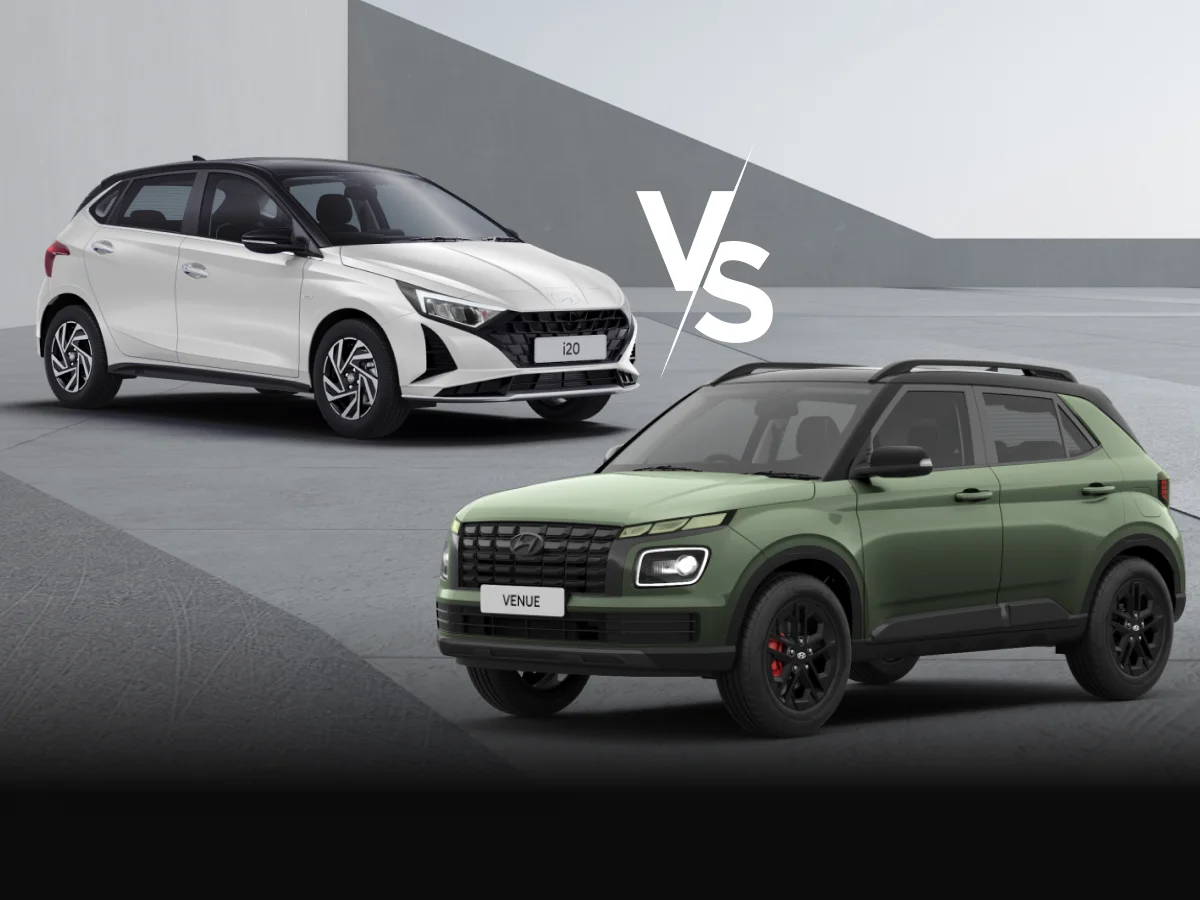
Choosing between a hatchback and an SUV is one of the most common decisions Indian car buyers face today. Both vehicle types have gained immense popularity due to their unique advantages, but the right choice depends on your driving needs, budget, and lifestyle. In 2026, SUVs continue to dominate the market because of their bold design and higher ground clearance, while hatchbacks remain the preferred option for city driving due to their affordability and fuel efficiency.
Understanding the differences between hatchbacks and SUVs can help you make a smarter purchase decision. Whether you are a first-time buyer, a daily commuter, or a family planning long road trips, selecting the right vehicle category will directly impact your comfort, maintenance costs, and overall driving experience.
What Is a Hatchback?
A hatchback is a compact car with a rear door that opens upward, allowing easy access to the boot area. These cars are designed primarily for city use and are known for their fuel efficiency, easy maneuverability, and lower maintenance costs.
Hatchbacks are especially popular in crowded cities where parking space is limited and traffic conditions demand smaller vehicles. Their compact size makes them easier to drive and maintain compared to larger vehicles. Many hatchbacks also offer impressive mileage, making them an economical choice for daily commuters.
In India, hatchbacks are widely used by students, small families, and office workers because they provide practical transportation at an affordable price.
What Is an SUV?
An SUV, or Sport Utility Vehicle, is a larger vehicle designed to handle rough roads and provide a more commanding driving position. SUVs typically offer higher ground clearance, stronger build quality, and more interior space compared to hatchbacks.
SUVs have become increasingly popular in India due to changing road conditions and consumer preferences. Buyers often choose SUVs because they provide better visibility, enhanced safety, and a more premium feel. These vehicles are suitable for long-distance travel, highway driving, and rural areas where road conditions can be challenging.
Modern compact SUVs have also become more fuel-efficient, making them accessible to middle-class buyers who previously preferred hatchbacks.
Key Differences Between Hatchbacks and SUVs
The most noticeable difference between hatchbacks and SUVs is size. Hatchbacks are smaller and easier to drive in city traffic, while SUVs are larger and provide more space and comfort. This size difference also affects fuel efficiency, maintenance cost, and driving experience.
Fuel efficiency is generally higher in hatchbacks because they are lighter and have smaller engines. This makes them more economical for daily commuting. SUVs, on the other hand, consume slightly more fuel due to their weight and engine capacity, but they compensate with better performance and road presence.
Ground clearance is another important factor. SUVs offer higher ground clearance, which helps drivers navigate potholes, speed breakers, and rough roads more comfortably. Hatchbacks usually have lower ground clearance, making them more suitable for smooth city roads.
Maintenance cost also differs between the two categories. Hatchbacks typically require less maintenance and have cheaper spare parts, while SUVs may have higher service costs due to their size and complexity.
Which Is Better for City Driving?
For city driving, hatchbacks are generally the better choice because of their compact size and excellent fuel efficiency. They are easier to park in tight spaces and handle heavy traffic more efficiently.
Urban drivers who travel short distances daily often prefer hatchbacks because they reduce fuel expenses and provide a comfortable driving experience. Additionally, hatchbacks usually have lower purchase prices, making them accessible to a wider range of buyers.
However, if your city roads are in poor condition or frequently flooded during the rainy season, a compact SUV may offer a more comfortable and stress-free driving experience.
Which Is Better for Highway and Long-Distance Travel?
SUVs are usually the preferred option for highway driving and long-distance travel because they provide better stability, higher seating position, and more luggage space. Their powerful engines make overtaking easier and improve overall driving confidence on highways.
Families who enjoy road trips often choose SUVs because they offer greater comfort for passengers and more space for luggage. The elevated driving position also improves visibility, which enhances safety during long journeys.
Hatchbacks can still handle highway driving effectively, but they may feel less stable at high speeds compared to SUVs.
Cost Comparison: Hatchback vs SUV
Price is one of the most important factors when choosing between a hatchback and an SUV. Hatchbacks are generally more affordable, both in terms of purchase price and long-term ownership costs. Insurance premiums, fuel consumption, and maintenance expenses are typically lower for hatchbacks.
SUVs, while more expensive, offer additional benefits such as better road presence, increased space, and improved safety features. Buyers who prioritize comfort and versatility may find the higher cost worthwhile.
When evaluating costs, it is important to consider not only the initial price but also the long-term expenses associated with fuel, servicing, and insurance.
Who Should Buy a Hatchback?
A hatchback is an excellent choice for individuals who primarily drive in urban areas and want an affordable, fuel-efficient vehicle. It is especially suitable for students, small families, and first-time car buyers.
People who have limited parking space or frequently drive in congested traffic will benefit from the compact size of a hatchback. Additionally, buyers with a tight budget often find hatchbacks to be the most practical option.
Who Should Buy an SUV?
An SUV is ideal for families, frequent travelers, and drivers who regularly encounter rough roads or long-distance journeys. It provides better comfort, safety, and versatility compared to smaller vehicles.
Buyers who value a strong road presence and higher seating position often prefer SUVs. These vehicles are also suitable for people living in areas with poor road conditions or unpredictable weather.
Final Verdict
Both hatchbacks and SUVs have their own strengths, and the best choice depends on your personal needs and budget. Hatchbacks are perfect for city driving, fuel efficiency, and affordability, while SUVs offer superior comfort, space, and performance for long journeys and challenging road conditions.
Before making a decision, carefully evaluate your daily driving habits, family size, and financial plan. Choosing the right vehicle category will ensure a better driving experience and long-term satisfaction.